


 Amaekpu, like most African societies, is slightly androcentric. Every male from childbirth and for the duration of his lifetime continues to act in ways to prove or reinforce his manhood. A lady is said to be “as strong as a man” she learns to perform some male dominated activities such as wrestling, tree cutting, and making of yam mounds.
Masculinity test begins at teething. As soon as the first sign of a tooth appears, an elder is invited to inspect and confirm the appearance of a tooth. Once confirmed, the child is said to have performed his first masculine feat (igbu ishi mbu), a feat celebrated with feasts and gifts.
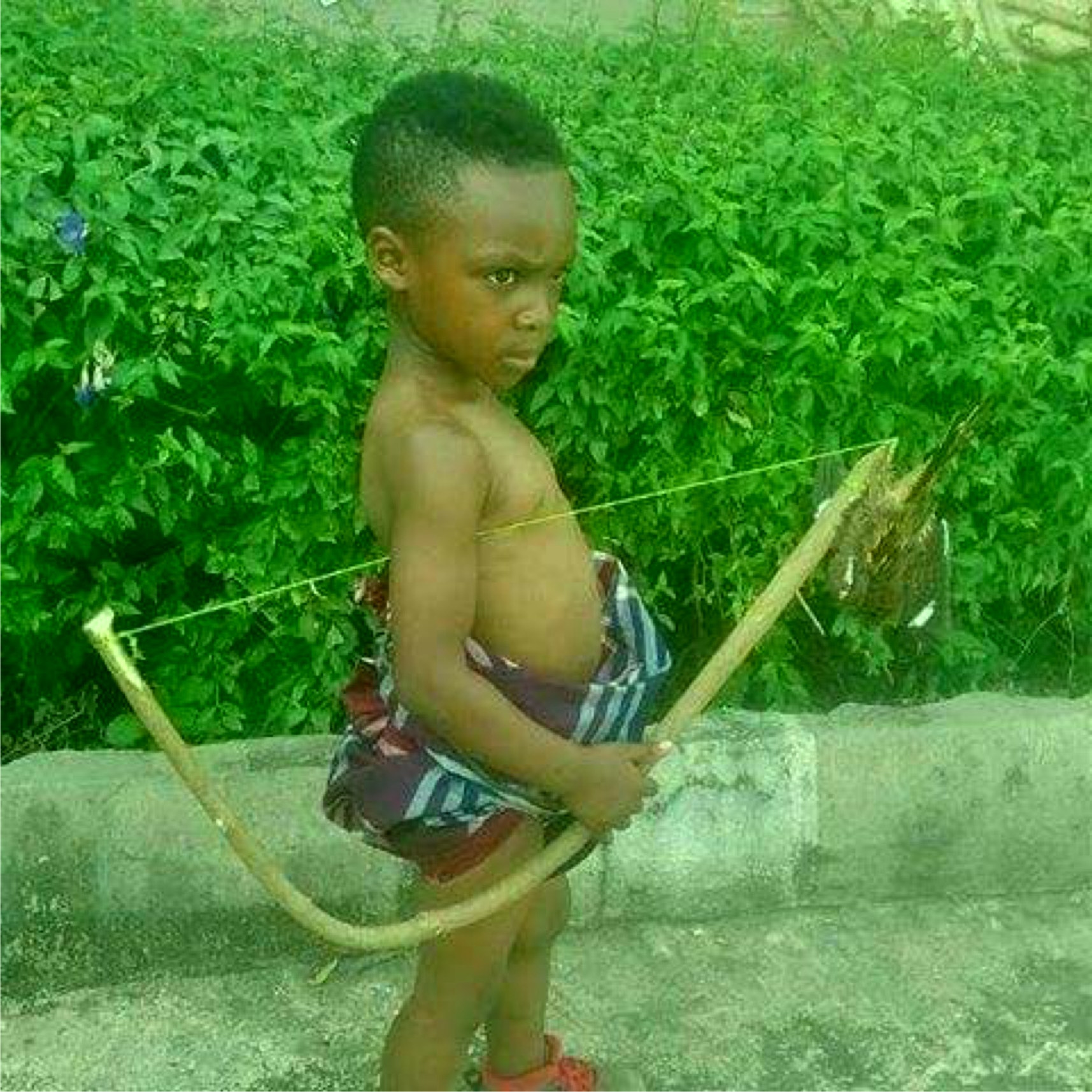
Around the age of 6 years, the father would make bow, arrows, and slingshots for the boy and begins to guide him in target practices. This would lead to the next masculinity test – “igba nnunu mbu”, which literally means the killing of the first bird. The boy would kit up in his full hunting attire, armed with his boy, arrow, and slingshots, as well as the bird he shot. His age mates and usually an elderly relation would lead the boy around the community as he visits family and validates his masculinity. He is showered with gifts and encomiums.
From the age of 10 into his early teens, the boy begins to learn the art of hunting and trapping of animals using bait and noose. The first catch is celebrated with another feast as the boy is said to have had this third kill (igbu ishi nke ato). He begins to learn the art of wrestling and participates in age specific wrestling competitions as would be organized by the community or his compound. Thereafter, the boy, probably now in his early teens is considered strong enough for the secret societies – societies designed to further test his strength, courage, endurance and more importantly, his ability to keep secrets despite external pressures. Many do not consider them to be secret societies in the traditional sense, but simply as societies with secrets to be disclosed only to initiates.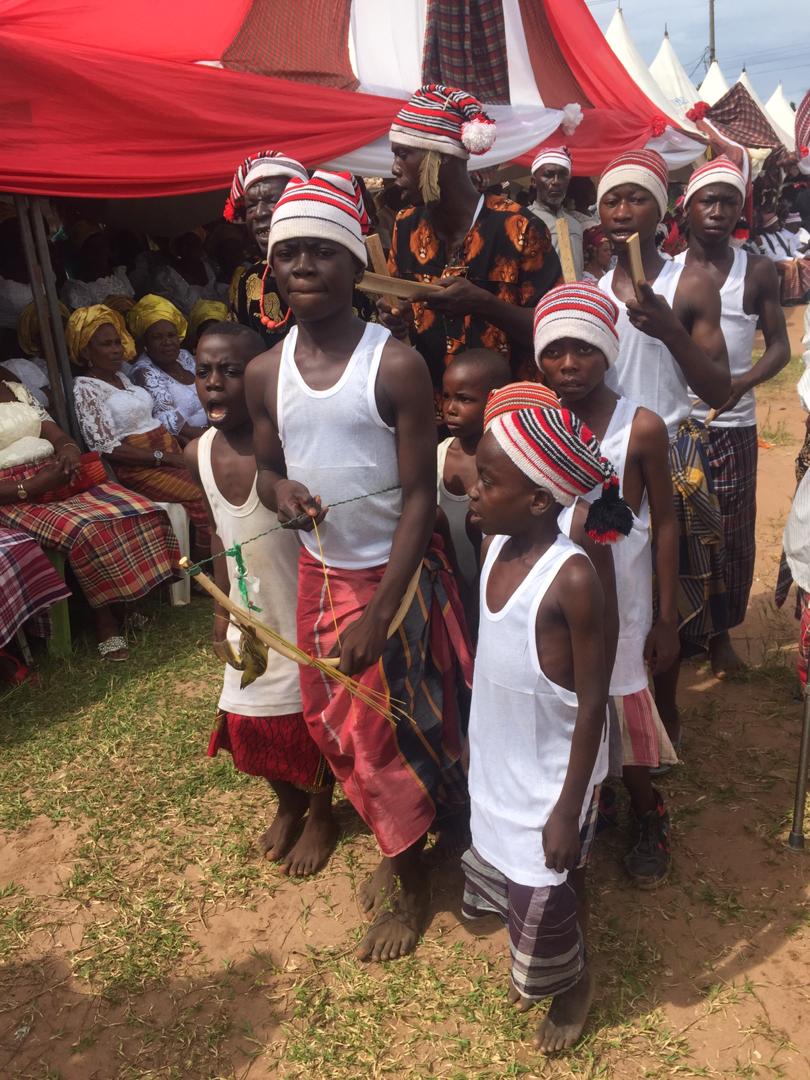
Obon is the first of these societies. Younger initiates as well as older ones that still live in fear or are perceived to be unfit for any reason to keep the secrets are only allowed into the “eko” or “obu”– the venue of the meetings. They partake in the songs, chants, and dance. As soon as the real “obon” is ready to begin, all these younger and unfit initiates are chased out. All participants must confirm their membership and any inability to do so attracts dire consequences. Sometimes, Obon might choose to move around the community at night. In such cases, all doors and windows must stay shut and non-initiates, especially women, must not under any circumstances peep at Obon. Any attempt to do so attracts serious consequences from the ancestors.
When the boy, now in his late teens and above justifies his membership of Obon for some years, he is allowed to join the more intense senior society, the Akang. Like Obon, Akang is strictly a male society with secrets and initiates cannot, under any circumstances, reveal these secrets to any non-initiate, especially female. The consequences of revealing these secrets are usually very dire. All activities of Akang occurs under the cover of night. It is here that the readiness of a man for wars is tested and war skills honed.
Other masculinity tests are tied to yam festivals and can be accessed here